The Journey
In the year 1948, a group of Sindhis from Hindustan migrated to India, so called after the partition. Not having a home for themselves, these migrants initially stayed at refugee camps in Mumbai (previously known as Bombay). In these camps, they were given food, clothing and shelter. However, due to the shortage of space, they were very often shuffled from one camp to the other without any stability or permanent place. Missing the reliability and warmth of a stable home, the Sindhi community knew that they had to start looking for employment in order to settle their families.
As they were food grain merchants in Sindh, they started looking for jobs in the same field – with grain merchants in Bombay. Soon they were able to find jobs, own homes and settle their families. However, their thirst for Sufism went on. After a couple of months, news that the Sufi Pirs had settled in Nasik spread far and wide. Ever devoted to their community and their saints, many Sindhis followed the Sufi Pirs to Nasik.
The Pirs settled near the holy river Godhavari. They meditated, sang songs in the glory of God and practised their mystical dance to connect with the divine. Slowly, as the news of their presence spread, their followers from different parts of Hindustan started visiting this auspicious place.
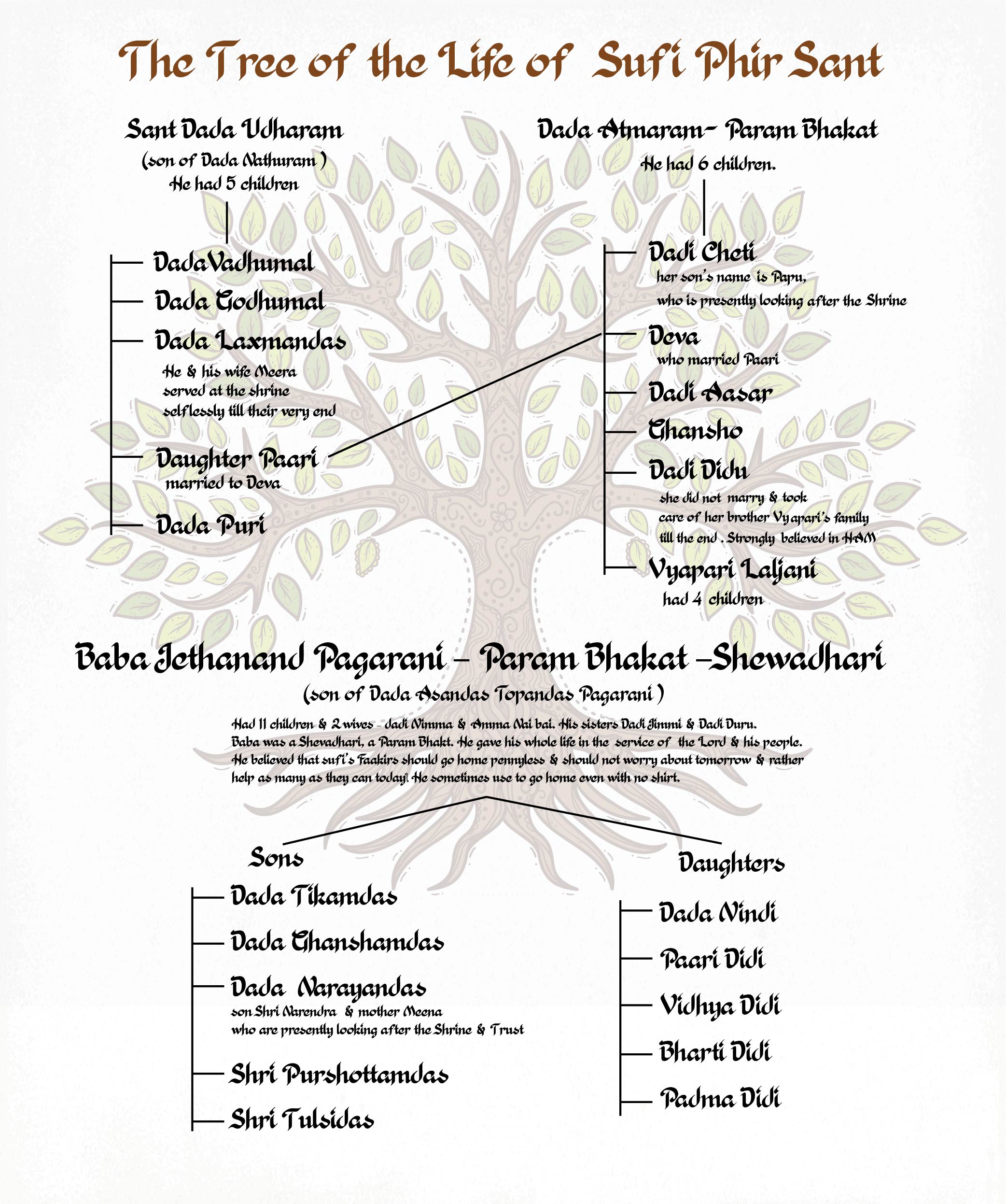
Gradually, as the saints and their three most devoted followers (param bhakat) passed away, their enshrined tombs attracted believers. Sufis believed that their descendants, referred to as pirs, or “spiritual guides,” inherited some of the saints’ charisma and special access to God. Over time this place became a Shrine, which is known today as the Haqmaula Shrine.
Many people have asked: What does Haqmaula mean ?
Haq means Truth. Maula means God. Truth is God
The Tree of Life